
There is a strange conversation happening between generations right now, and it is playing out in basements, dining rooms, garages, and storage units across America.
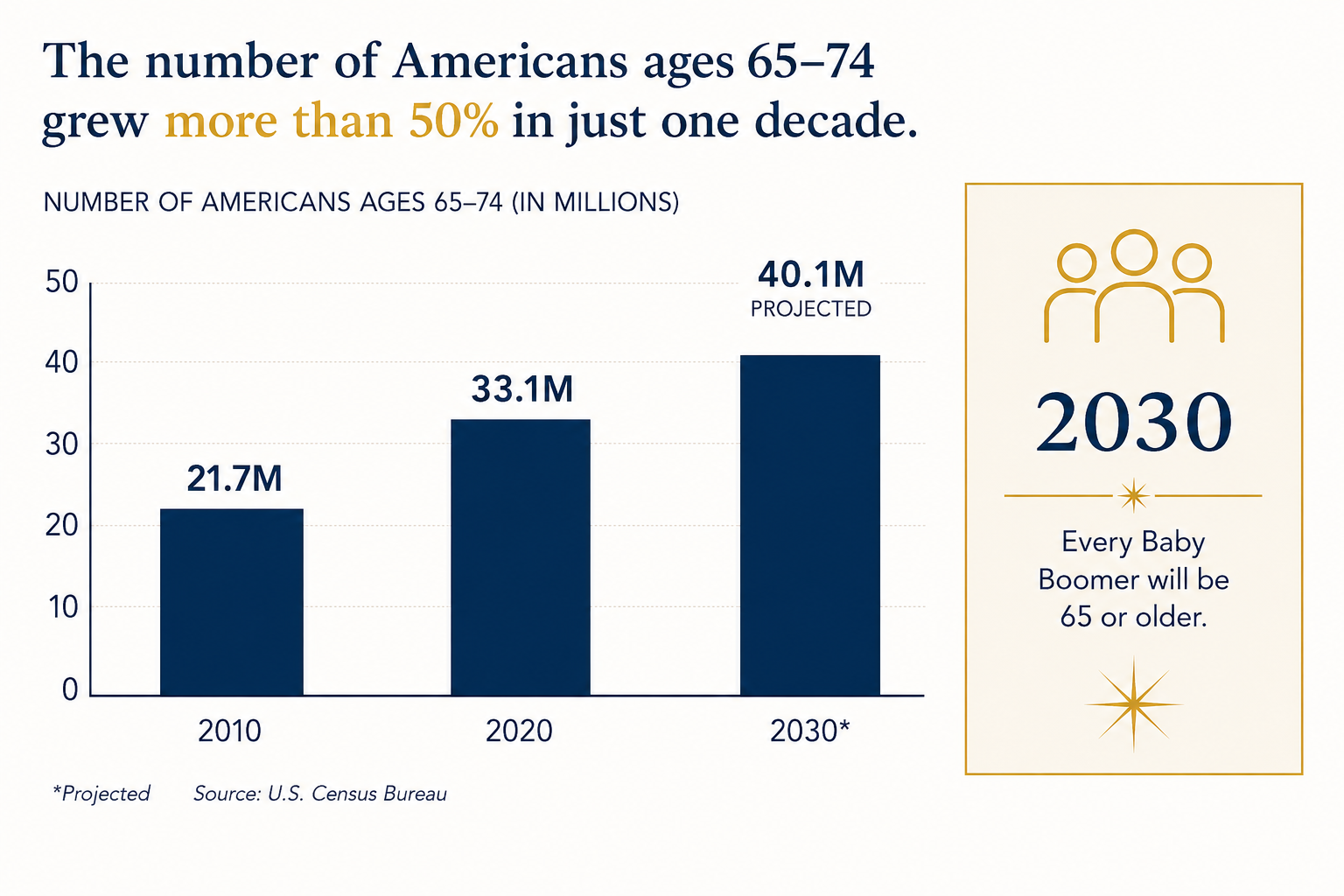
Parents are getting older. Homes that comfortably held a family for forty years are becoming too much to maintain. Adult children are beginning to help with the inevitable decisions about downsizing, moving, or settling an estate. Then everyone looks around at the contents of the house and realizes the house may actually be the simpler part.
For many Baby Boomers, accumulation happened during a very particular period of American consumer culture. They came of age in a world that placed enormous value on ownership. A well-furnished home represented success and stability. Wedding china was an investment in a future household. Good furniture was purchased with the expectation that it would last long enough to be handed down. Entire industries grew around the idea of collecting, and marketing gave ordinary objects the language of scarcity and investment.
Limited-edition plates, Precious Moments figurines, Hummel figurines, Avon collectibles, commemorative coins, stamps, crystal, silver, and holiday villages were not always offered as simple purchases. They were things to acquire carefully, preserve, and someday pass along.
That promise has not aged particularly well.
The uncomfortable reality many families are discovering is that an object can be old, beloved, beautifully maintained, and almost impossible to sell for anything close to what its owner believes it is worth. In some categories, so many people were encouraged to collect the same things that the very abundance of those collections works against their resale value. At the same time, the generation that would naturally inherit them often lives very differently. They may have smaller homes, different tastes, less storage and very little interest in maintaining a formal china service for twelve.
This is where a practical problem becomes an emotional one.
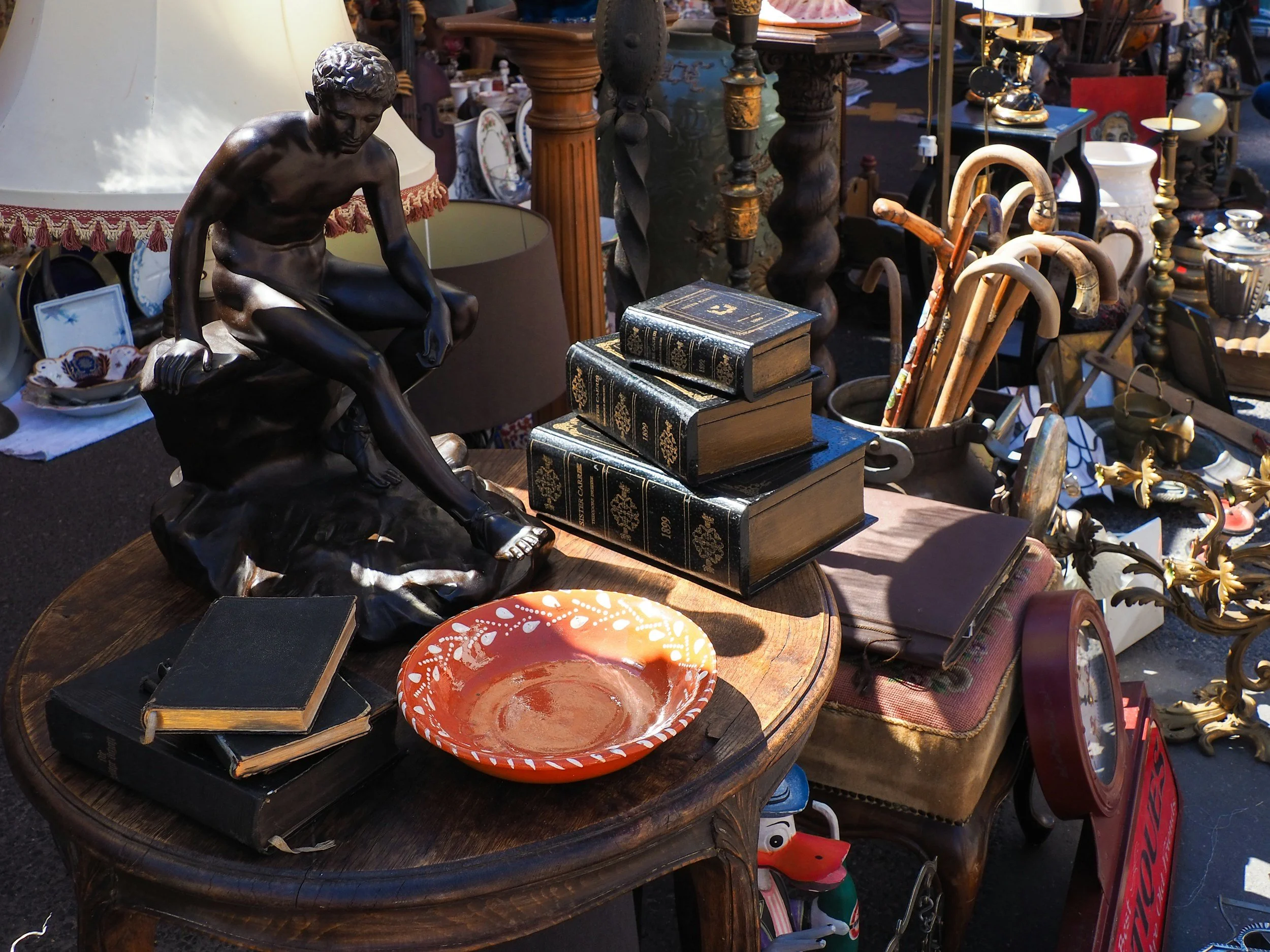
When an adult child says, “I don't have room for this,” a parent may hear something entirely different. That dining set might represent the first beautiful furniture they bought after getting married. The china might have come from a wedding registry. The figurines may have arrived one birthday or Christmas at a time for thirty years. The cabinet full of glassware that looks overwhelming to one person may look like a lifetime of memories to another.
Neither person is wrong.
They are simply standing on opposite sides of a massive cultural shift in how Americans think about possessions.
That shift is creating a downsizing problem families are often completely unprepared for. It is easy to imagine helping your parents move until you are standing in a 2,500-square-foot house containing forty years of belongings and trying to determine what to move, sell, donate, give to family, recycle, or discard. Suddenly every decision seems to require another decision. Someone has to research whether the furniture has a resale market. Someone has to call the children and grandchildren about what they want. Someone has to arrange donations. Someone has to empty the cabinets, sort the closets, pack the boxes, coordinate the movers, and figure out what happens to everything that isn't going to the new home.
Meanwhile, there is still a house to sell.
This is the part of downsizing that rarely gets captured in the cheerful version of “simplifying.” Downsizing can absolutely create freedom and make the next chapter of life easier, but getting from one home to another can require an enormous amount of physical work, decision-making, and emotional energy. For adult children who are already managing careers, children and their own households, helping a parent through that transition can become a second job surprisingly quickly.
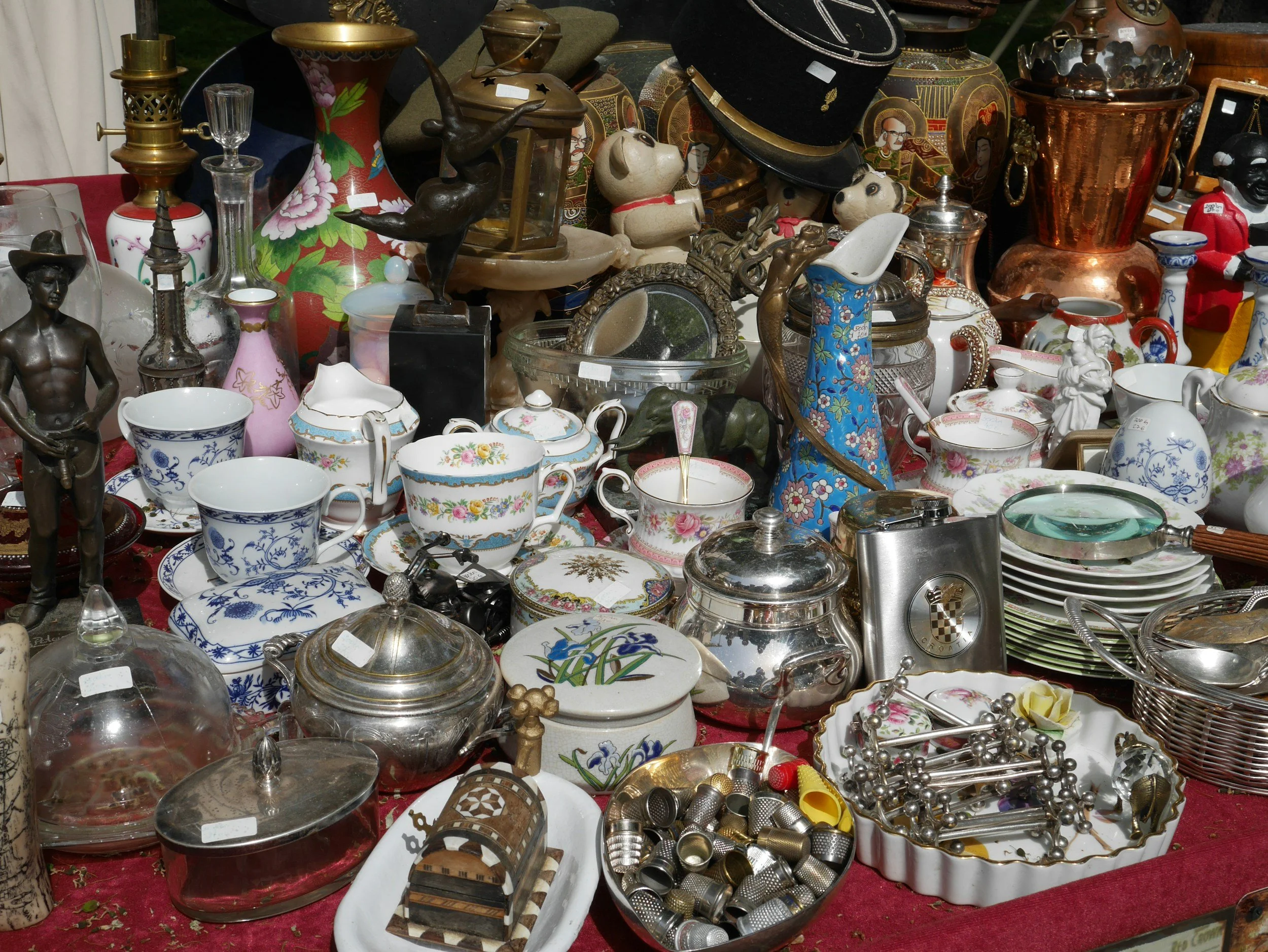
It can also create pressure to make money from belongings because throwing things away feels wasteful and giving them away feels financially irresponsible. Sometimes an item does have meaningful resale value and deserves to be evaluated. Sometimes the value is modest. Sometimes the most valuable thing about an object is simply that someone loved it.
Knowing the difference can save families months of frustration.
There is also something worth saying about dignity here. A parent should not have to watch strangers descend on their home and reduce sixty years of living to piles of “keep” and “trash.” An adult child should not have to spend every weekend for three months driving back and forth, filling donation bins, negotiating over furniture, while also trying to find a real estate agent and preparing the property for sale.
There is a better way to handle such a significant transition.
At Presto Real Estate Services, we understand this work particularly well because we don't see downsizing as a single transaction. We see the entire transition. Sometimes a family needs help sorting and packing. Sometimes they need an estate cleanout, repairs, or help preparing a home for market. Sometimes they need someone to coordinate the moving pieces because there are simply too many. And when it is time to sell the current home or purchase the next one, Homes by Presto can handle the real estate side as part of the same relationship.
That continuity matters.
Instead of a family trying to coordinate a collection of unrelated companies while making hundreds of personal decisions, our team can help carry the process from one stage to the next. We are deeply involved because transitions like these require more than a checklist. They require judgment, patience, resourcefulness, and people who are willing to stay close to the details.
We also understand that families have real budgets. Getting meaningful help with a move should not be reserved for people who can spend extravagantly on concierge services. The goal is to determine what support will actually make the transition easier and build the right level of help around the family rather than adding services simply for the sake of adding them.
There will be millions of these conversations in the coming years. An enormous generation is aging, and behind many of those front doors are attics, basements, garages, china cabinets and closets containing the physical evidence of lives spent building homes and families.
The answer is not to shame people for having too much stuff.
It is also not to pretend every object can or should be preserved.
The work is helping families move through the space between those two truths with a little more clarity, a little less overwhelm, and a great deal of respect for the life that once filled the house.
Preparing a Home for Sale Can Feel Overwhelming — But You Don’t Have to Do It Alone.
The Presto team helps families manage every step of the transition, from home preparation and organization to selling and moving.
If you’re beginning to think about your next move, we’re here to help.
Start the conversation with the Presto team today.
